
Tower rush demo walkthrough and casino betting tips - gameplay review
The demo feels like a compact arcade slot with a steady hit rhythm and arcade-style risk, so I treat short sessions as the best way to learn its timing. The stated math looks around RTP ~96.2–96.7% in most casino lobbies, with medium-to-high variance that hands out bigger payouts in short bursts rather than constant small wins. Minimum bets in demos mirror the real game range, typically around $0.10 to $1.00 per spin, so practice bankrolls of 50–200× your min stake let you test lines without bleeding too fast; try 20–45 minute sessions and step up only after a clear win pattern. The demo is great for spotting how bonus triggers line up, including the feel of free spins and how often the board floods with action.
| Feature | Typical |
|---|---|
| RTP | 96.2–96.7% |
| Volatility | Medium–High |
| Min bet (real) | $0.10–$1.00 |
| Session tip | 20–45 minutes |
Running the demo in several casinos helps compare how fast bonus cycles feel; try different bet sizes to see when the bigger hits land and avoid chasing losses. If you like trying patterns, do a quick tower rush demo play at screenshots-friendly sites to map out when the multipliers show and how they stack against base-game payouts. Most casino pages will also list welcome bonuses and promo codes that apply to the real game, but remember that demo sessions don’t clear wagering requirements and some promos require KYC before you can withdraw any bonus funds.
Use the demo to see how special symbols behave and how the volatility spikes when feature rounds trigger, because the live math carries into real money spins. A couple of casinos let you open the demo in-browser, so try a tower rush game demo play on two sites to compare session feel and load times; check support chat if the demo lags since deposit/withdrawals speed and verification steps are what matter once you switch to cash play. Expect occasional surprise hits when the board fills, and note where wilds land so you can plan bet ramp strategies.
The last practice step is to simulate a payout session before staking real cash: run a small sequence of demo spins, note how scatters cluster and whether feature frequency matches your bankroll plan, then move to real play only when you’re comfortable. Remember that table limits, bonus terms, and customer support quality differ by casino, and some players prefer to confirm withdrawal windows and KYC rules before converting demo wins into real wagers; keep that in mind and enjoy measured runs rather than impulsive restakes.
Tower Rush Demo: Practical Guide and Walkthrough
Using the demo to study variance is the most reliable way to turn randomness into usable signals before you risk real cash. In a controlled session you can observe hit frequency, streak length and how bonus features like free spins affect bankroll swings; treat the demo as a data-gathering lab rather than pure entertainment. Start with a tower rush demo run to log realistic session outcomes at different bet tiers and to understand how often the machine moves you through short losing runs and brief payout clusters.
When managing volatility, articulate a clear betting plan where each spin is a fraction of a session stake, and use demo rounds to refine those fractions. Observe how feature triggers and multipliers change tail risk so you can choose conservative or aggressive sizing that matches your tolerance; pay attention briefly to RTP and the observed payout cadence rather than chasing a single big hit. Switch to a tower rush game demo to validate any tilting triggers you notice, especially after long cold streaks, and to practice sticking to stop-loss and take-profit rules without financial consequence.
Finally, translate demo findings into simple, repeatable rules for real-money play: cap exposure per spin, limit consecutive raises after losses, and schedule forced breaks when variance appears to cluster. Use the demo to map how scatters and other symbols compress or expand win runs, and check minimum bets so the rules you adopt remain feasible at live stakes. Once your patterns hold across multiple demo sessions you’ll have a pragmatic framework for live sessions that reduces emotional decisions and preserves bankroll longevity during inevitable volatility; then apply those rules to actual Tower Rush sessions rather than improvising. tower rush demo play
How to Install and Launch the Tower Rush Demo Game
Begin by opening a licensed casino site or its official mobile app and locating the slots lobby; many casinos label practice options clearly so you can install or access the demo without depositing. To install, follow the casino’s prompts–browser HTML5 versions usually require no download while apps will guide you through an install flow where the tower rush demo play entry appears under the game provider or arcade section.
Once installed or opened in browser mode, launch the demo session in guest or practice mode to avoid account requirements. Use the in-game paytable and rules screen to study how bonus rounds are triggered, what symbol combinations activate them, and whether the demo displays trigger rates; this is a safe way to observe the bonus structure and whether the round awards free spins or round-specific pick games before staking real money.
If you prefer a native app experience, search the casino or provider list and install the tower rush demo game to run it locally; the app route often mirrors the browser demo but can cache resources so relaunches load faster. When you start the demo, deliberately run several short sessions adjusting bet levels to see how feature entry frequency and round lengths behave, and consult the game’s help to confirm whether special symbols lock, expand, or re-trigger bonuses.
For routine practice, keep a single demo shortcut or bookmark to relaunch quickly and replicate sequences that led to bonus rounds so you learn timing and the effect of bet size on feature access; repeated tower rush game demo play helps you map typical round outcomes and internal mechanics. After a few runs you’ll recognize patterns such as stacked symbols or in-round mechanics and whether additional elements like multipliers apply during the bonus, so launching the demo becomes the fastest way to master the feature mechanics before switching to real-money play.
Step-by-Step Tower Rush Demo Game Demo Play for First-Time Users

Begin by opening the lobby and loading a tower rush game demo to learn the rhythm of spins and feature frequency with zero financial risk. For a first-time user the demo lets you simulate realistic session lengths, try a few staking patterns and see how often bonus elements land, which is essential for managing swings and deciding how many rounds you’ll treat as a meaningful sample.
Set a mock bankroll and a clear session goal before you start, keeping bets low while you track hit rates and feature chaining; this focused practice sharpens your sense of variance without pressure. Pay attention to how the game rewards cluster, and use any observed patterns to practice staking increments; only then test mid-sized bets in the demo to validate whether your session plan preserves balance when volatility spikes.
During repeated trials, execute short sequences of progressive bets and record outcomes on a spreadsheet so you can compare return patterns when you do a tower rush demo run. Note how often special symbols appear and whether those occurrences lead to feature rounds or occasional multipliers, and keep an extra routine step of pausing after a losing streak to reassess strategy rather than chase losses.
Conclude each session by reviewing your recorded outcomes and checklist before moving to real stakes, and treat the demo results as a guide to set your live min bet and bankroll segments. A disciplined tower rush game demo play habit gives first-time players a clear map for bet sizing, helps identify when to trigger feature buys in real money mode, and reduces surprises by converting demo observations into an actionable staking plan.
In-Depth Mechanics Breakdown from the tower rush game demo – Variance Management
The demo environment of tower rush demo run provides a controlled view into distribution patterns that influence short-term bankroll swings, and understanding those patterns is central to variance management. In a casino context the demo reveals hit frequency and cluster tendencies of cascade-style reels, which let players and analysts observe how often medium wins occur versus how long dry spells last. Even with a known theoretical payout, the empirical sequence shown in the demo helps quantify typical run lengths that a player can expect before encountering a scoring event of statistical significance.
Practical variance control hinges on bet sizing and session segmentation; setting a stop-loss and target for each session reduces psychological pressure during long negative runs. The demo is useful for testing tiered wager strategies and understanding how minimum bet exposure affects bankroll survival; because variance scales with stake, simulations at different bet levels show how often a given stake will exhaust an allocation. Volatility should be read as an operational parameter rather than a promise, and the demo helps define acceptable streak lengths for a chosen staking plan.
Feature interactions matter: bonus features in the prototype, especially those that add multipliers, materially alter tail risk and expected recovery windows. Observing the frequency and sequencing of bonus-triggers in the demo helps estimate how often upside events will counteract extended cold runs, and recording empirical intervals between major payouts creates a practical distribution model. The controlled runs documented during tower rush demo play also allow operators to validate that triggering algorithms align with intended variance curves, helping compliance and responsible gaming teams tune limits and warnings.
For players and operators using demo data to set policies, the tower rush game demo becomes a tool to calibrate expectation management: define session units, incorporate drawdown tolerances, and stress-test cashout behaviors under repeated simulated sequences. When the observed long-tail behavior diverges from cataloged expectations, adjustments to wager ceilings or promotional structures can reduce systemic risk while preserving entertainment value for customers.
Tuning Controls and Difficulty during Tower Rush Demo Play
The demo environment exposes how fine-grained variance settings change perceived risk, and a thoughtfully designed interface in a tower rush game demo gives players immediate, feel-based feedback on hit frequency and payout rhythm. Designers often surface sliders or preset modes so testers can move between tighter reward bands and more sporadic, high-value outcomes without depositing funds. Sensible on-screen indicators and short tooltips accelerate understanding, and occasional visible multipliers during a session help communicate how spikes in wins occur.
From an operator perspective, variance management in demos is a tool to prototype house-edge perception and player retention; small adjustments to distribution curves or trigger thresholds let teams simulate lower or higher volatility quickly. Demo tuning can emulate variance-related behaviors such as clustered small wins versus rare large payouts, helping balance session length against entertainment value while preserving the mathematical model that would be used in live play. Controls that mock different min bet scenarios are useful to see how risk appetite shifts with different stake levels.
When running internal tests it’s common to initiate a controlled tower rush demo run to stress-test the experience: QA can toggle hit-density, alter bonus-trigger windows, or change reel stop algorithms to observe how those changes affect churn and playtime. Those toggles should be logged and replayable so teams can correlate specific control states with player behavior metrics, and visible feedback on the demo UI helps reviewers verify whether difficulty feels fair across skill tiers.
For casino operators who publish a public demo, exposing simplified difficulty presets that mirror real-money modes eases the transition from demo to deposit; a clear label explaining that a mode increases jackpot frequency or reduces it helps manage expectations during tower rush demo play. Offering a preview of bonus mechanics like free spins in demo makes variance transparent, which builds trust and reduces surprise when players migrate to paid tables, while still allowing the operator to tune controls to sustain long-term engagement.
Speedrun Techniques Conclusion
For a clean speedrun-focused session, expect modest average payouts and pronounced variance over short stretches, so prioritize tracking hit frequency, payout distribution, session ROI and big-win readouts while watching spin speed, balance drift and network latency. Practicing sequences in the tower rush demo play helps identify optimal timing and bet sizing for quick recovery while you learn which mechanics create reliable reset points.
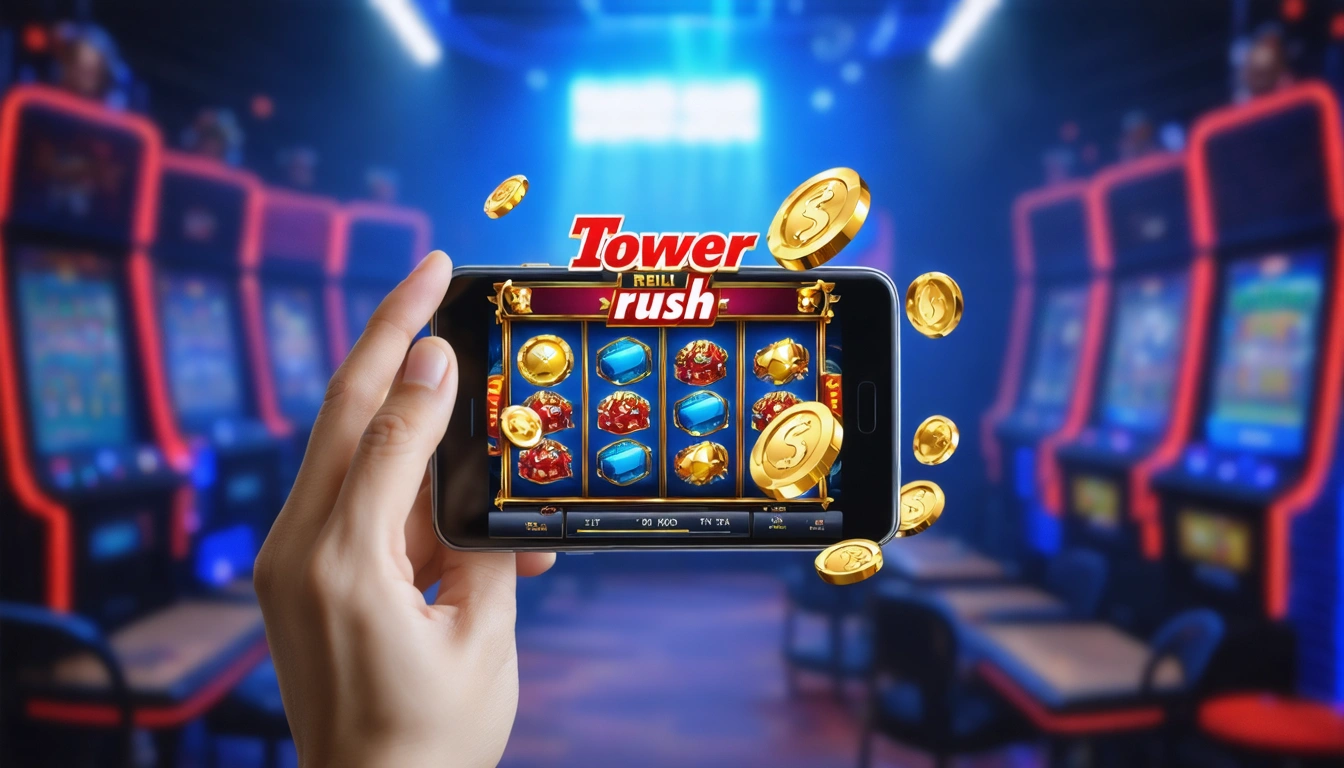
Always use licensed casinos and verify safety signals such as visible licensing, secure connections, clear audit disclosures, responsive customer support and straightforward withdrawal limits before attempting time-sensitive strategies. Run warm-up attempts in the tower rush game demo to confirm load times, autoplay behaviors and any UI quirks without risking real funds.
Set firm monetary and time limits, a stop-loss threshold, scheduled cooldowns and conscious play routines to avoid chasing variance during timed runs, and step away after a preset number of attempts. When refining technique for a speed-focused finish, testing combos in the tower rush demo run can be useful, and you may also consider current bonuses, promo codes or new slots to supplement bankrolls responsibly, reviewing bonus terms like wagering requirements and expiry to make measured choices.
Questions and Answers:
How do developers want feedback on balance?
Developers welcome concise reports that include level, tower choices, and a short description of the issue so they can reproduce it quickly. Sending screenshots or short clips helps clarify complex balance interactions, and a dedicated feedback form is usually provided. This speeds up fixes and tuning for subsequent builds.
Can I mod the demo content?
The demo does not officially support modding and files may be protected to prevent instability during development tests. If mod tools are released later, the team will provide guidance and safe methods to create custom content. For now, focus on official updates and community guides for strategies.
Will the demo receive updates before full release?
Occasional patches may arrive to fix bugs and refine balance based on player feedback received during the preview period. These updates aim to stabilize performance and adjust tower behavior to improve match flow. Check the patch notes for details about what each update changes.
Is multiplayer included in the demo?
The demo offers single-player scenarios and a limited asynchronous challenge mode rather than full multiplayer matches. Core networking features and PvP will be tested closer to full release with a separate beta if planned. Multiplayer details will be shared as testing windows are scheduled.
Where can I find tips for early towers and upgrades?
Basic guides and developer notes on tower roles are available alongside the demo to help new players make informed upgrade choices. Try combining towers that cover both single-target and area control to manage diverse enemy types, and experiment with upgrade paths to see which suits your style. Community forums also host strategy threads for varied approaches.
What is the Tower rush demo?
The Tower rush demo is a short preview of core mechanics and a handful of levels that show how towers, enemies, and upgrades interact. It is designed to give a clear sense of pacing and strategy without the full campaign content.
